Move Past Fitness Fear and Build Gym Confidence
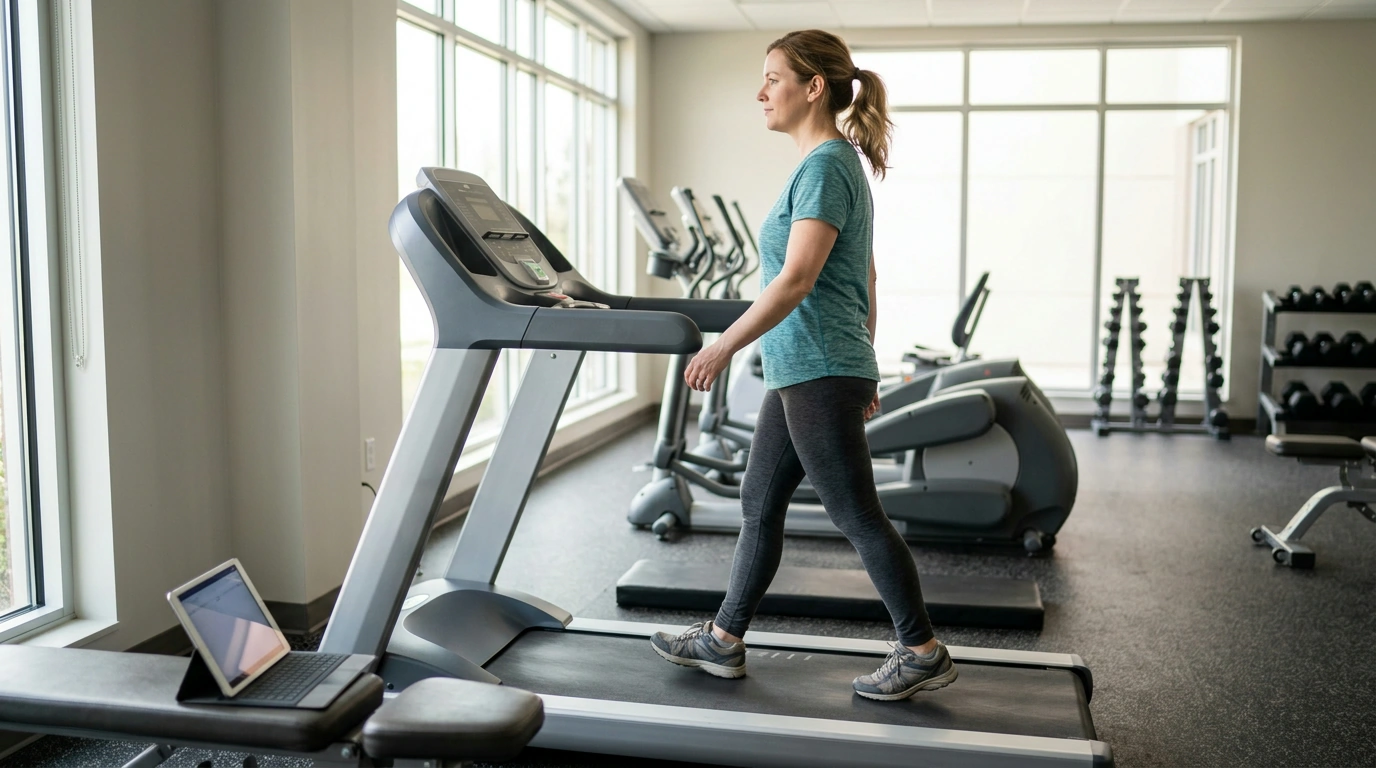
Fitness can feel intimidating when you’re worried about being judged, using equipment incorrectly, or losing momentum after a promising start. Those concerns are common, and they don’t mean you’re incapable of building a routine that works for you.
Our digital guide, Move Past Fear, Build Strength, focuses on approaching fitness with more confidence and patience. Whether you’re beginning or returning after time away, you can start with an action that feels manageable rather than waiting until every worry disappears.
Why Fitness Fear Can Get in the Way
A crowded gym can make it hard to concentrate on your own workout. Unfamiliar machines may leave you unsure where to begin, while comparing yourself with more experienced people can make a simple session feel like a test.
Starting at your own pace isn’t a sign of failure. It gives you room to learn what feels comfortable and adjust as you go. Confidence can grow through small actions: walking into a new space, asking a question, or completing a few minutes of movement you planned.
You don’t have to feel completely confident before you begin. You can choose a setting and activity that make the first step easier, then build from there.
Meet Move Past Fear, Build Strength
Our Move Past Fear, Build Strength digital guide is a downloadable resource focused on fitness confidence, gym anxiety, mental strength, and consistent progress. Its focus may appeal to beginners who are unsure where to start, as well as people finding their footing after a break from exercise.
The guide is listed at $23.99 USD. Visit the product page for current details and to decide whether its focus matches the kind of support you’re looking for.
A guide can offer a place to reflect on your approach, but your routine should fit your own circumstances. You can use it alongside practical support, such as an introduction to equipment from a qualified fitness professional.
Turn Uncertainty Into a Small First Step
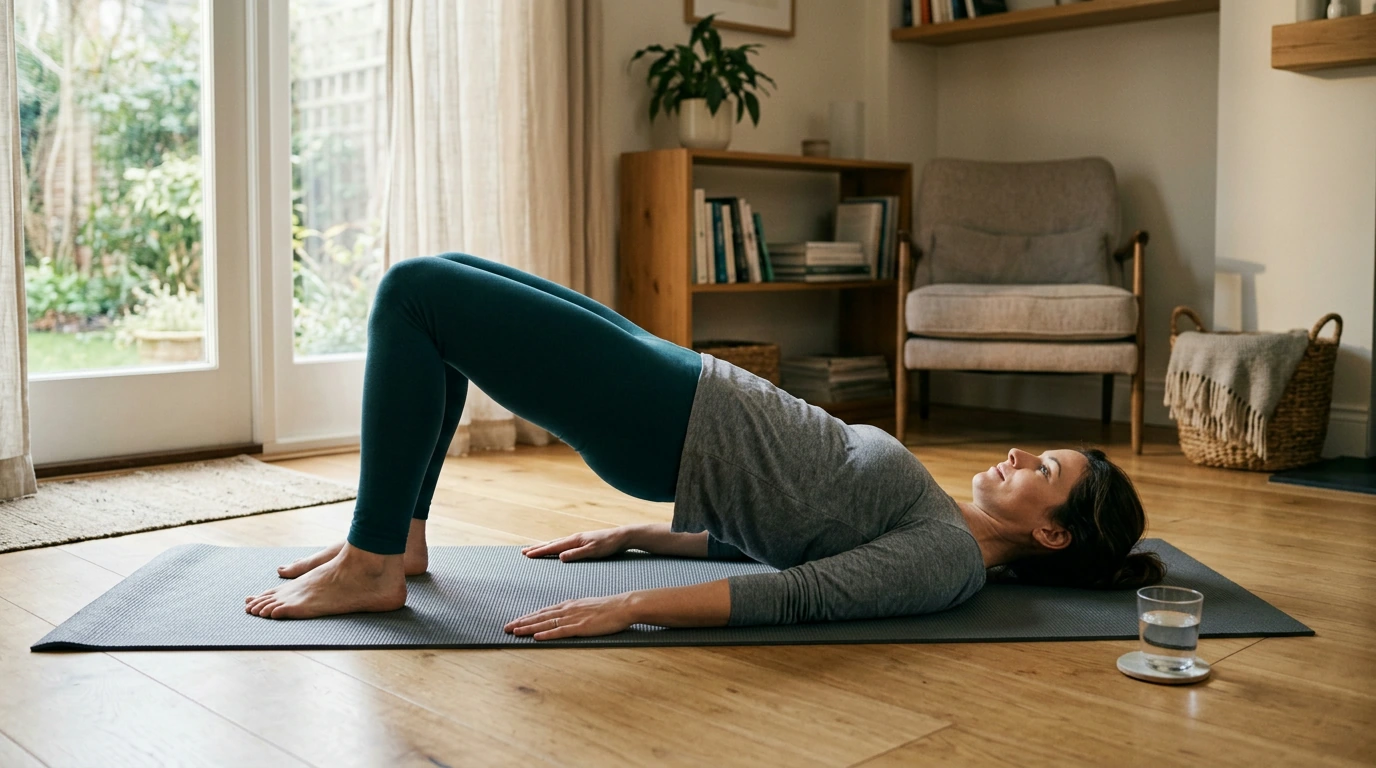
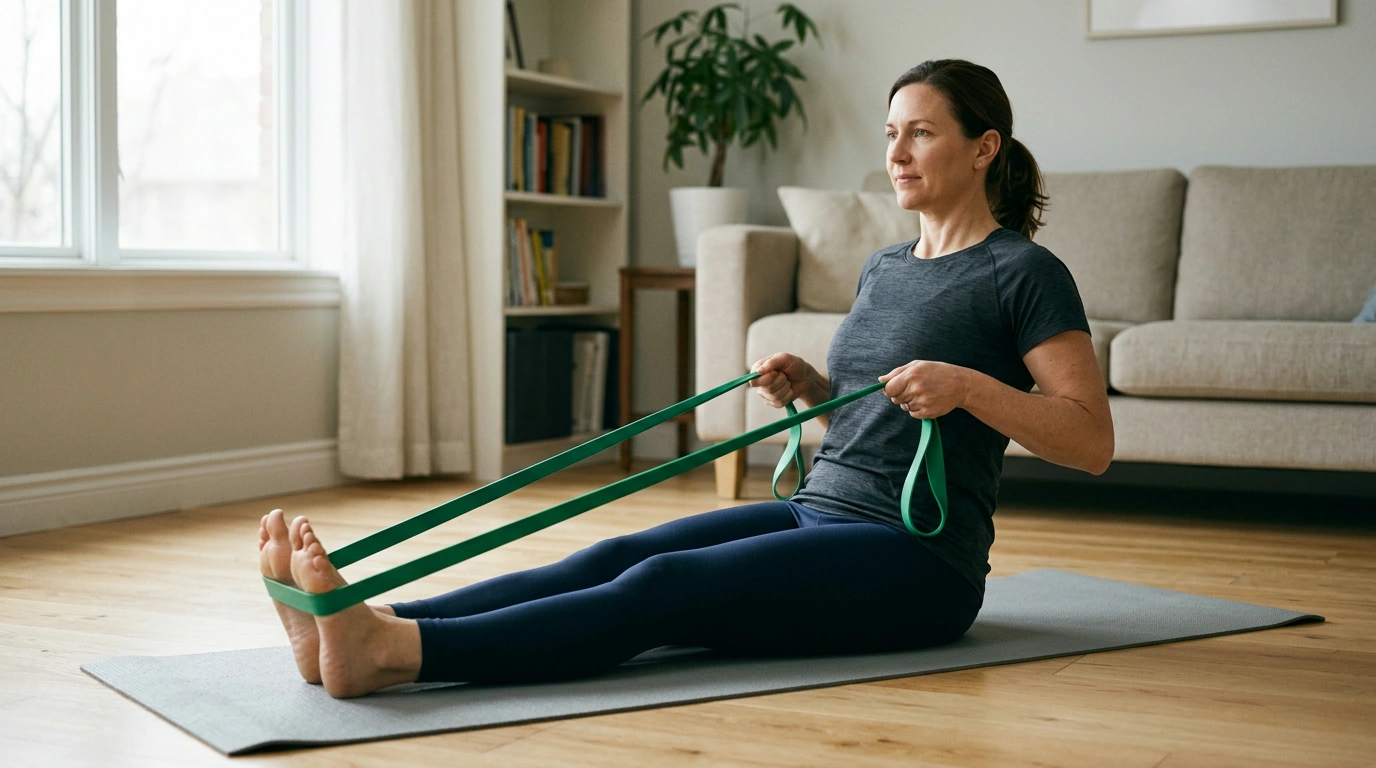
First, choose a setting where you can begin comfortably. That might be a gym, a walk outdoors, or a workout at home. You don’t need to choose the most challenging environment to make your effort count.
If you want to try a gym, consider visiting at a quieter time and giving yourself permission to look around. Planning a short session beforehand can also reduce the number of decisions you need to make once you arrive. For example, you might decide to walk for a few minutes and ask a staff member about one machine.
The examples below are general starting points you can adapt to your situation.
Small Steps for Common Fitness Worries
| Concern | A manageable next step |
|---|---|
| The gym feels unfamiliar | Visit at a quieter time and look around before starting. |
| Equipment feels intimidating | Ask a staff member how to use one machine. |
| A full workout feels overwhelming | Choose a short session that fits your current routine. |
| Missing a session feels discouraging | Plan the next opportunity rather than trying to make up for it. |
If a step still feels too large, make it smaller. A visit to see the gym entrance or a brief walk around the block can be a starting point. Choose what you can realistically do, then decide what comes next.
Build Mental Strength Through Consistency
A realistic goal gives you a way to practice without asking every day to look the same. You might plan two short activity sessions during the week and leave room to change their timing when work, family, or energy levels shift. On a busy day, a shorter session can keep the routine accessible.
Track signs of progress that matter to you. Showing up, learning how to adjust a machine, or feeling more comfortable with a movement are all useful things to notice. A simple note on your phone or calendar can help you see those changes over time.
Progress won’t always move in a straight line. Rest, missed sessions, and adjustments are part of a sustainable approach—not reasons to abandon it. When you miss a day, look for your next practical opportunity instead of trying to compensate with more than you’re ready to do.
For general guidance on adding movement to your routine, explore the CDC’s physical activity basics. Hydration can also be part of your planning; our Hydration for Life digital resource offers another wellness topic to explore alongside your fitness goals.
Choose Support That Fits Your Needs
A digital guide is one resource, not a substitute for individualized instruction. A qualified fitness professional can help you learn movements and equipment, especially if you’re unsure how to begin or want help adapting an activity to your needs.
If anxiety persists or disrupts your daily life, consider talking with a mental health professional. The National Institute of Mental Health offers information on caring for your mental health and when to seek support.
Our team invites you to explore Move Past Fear, Build Strength and choose one first step that feels achievable. You can adjust that step as you learn what helps you feel more at ease.
FAQ
Is Move Past Fear, Build Strength suitable for fitness beginners?
Its focus on fitness fear and confidence may appeal to beginners who feel unsure about starting. You can consider whether that focus fits the support you’re looking for.
What can I do if I feel anxious about going to the gym?
Try visiting at a quieter time, planning a brief session, or asking staff for help with equipment. You can also begin exercising at home or outdoors.
How can I stay consistent when motivation changes?
Set manageable goals and use a flexible schedule that leaves room for busy days. If you miss a session, return to your routine at the next practical opportunity.



Leave a comment