Resistance Bands Training Playbook: A Beginner’s Guide
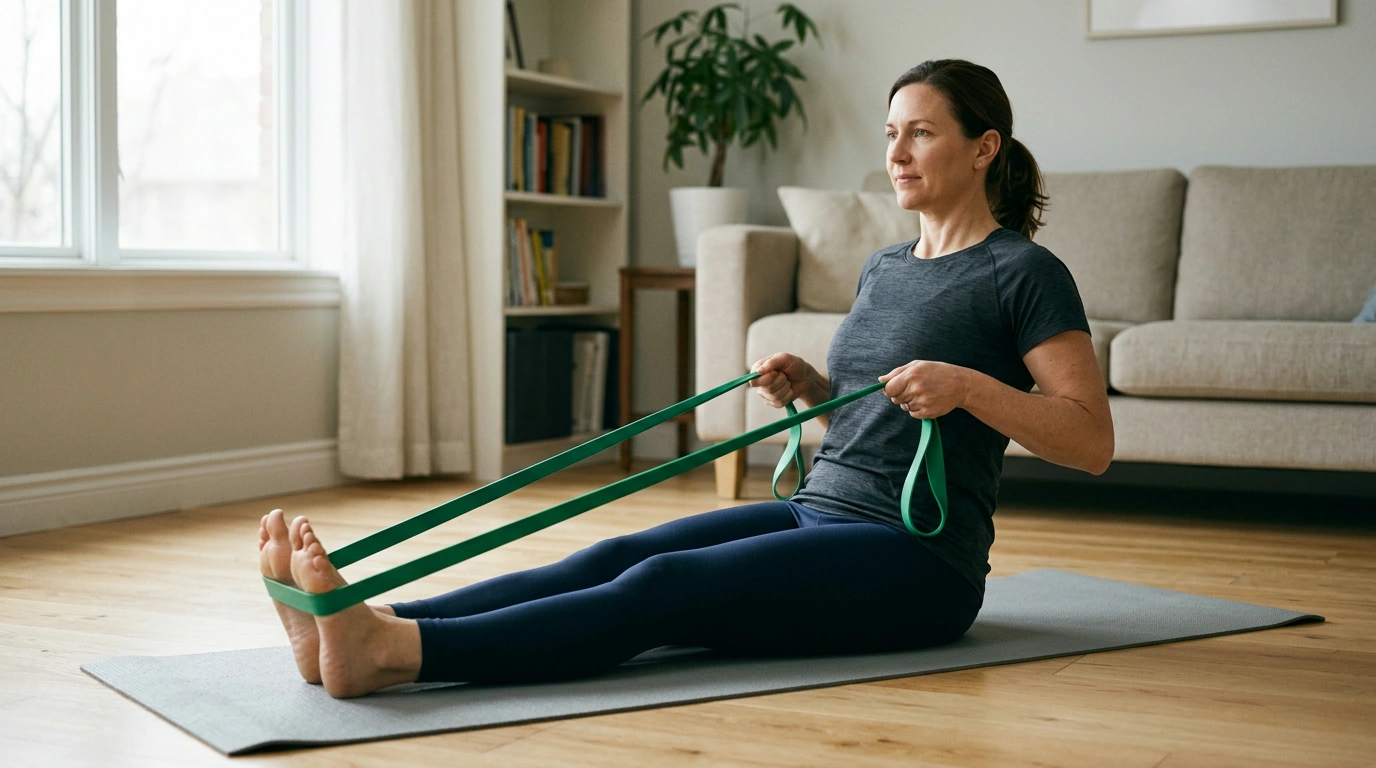
Resistance bands offer a practical way to bring strength training into a routine that fits your space and schedule. If you’re ready to explore the basics, our Resistance Bands Training Playbook is available for $7.99. You can start with simple movement patterns, choose a comfortable level of resistance, and build a habit at your own pace. Below, we’ll walk through band selection, safety, and a sample session framework to help you make thoughtful choices as you get started.
Why Train With Resistance Bands?
Resistance bands add tension to familiar movements such as squats, rows, and presses. They take up little room, so you can use them in a clear area at home without setting up a large collection of equipment. Different bands and positions can change how challenging a movement feels, giving you options as you practice.
Band training is also one way to work toward the CDC’s recommendation that adults do muscle-strengthening activities at least two days a week. A balanced routine should work the major muscle groups, but your starting point can reflect your current ability. Consistent practice matters more than making every session difficult. Give yourself room to learn the movements and adjust the resistance as needed.
Choose a Band and Start With Control
Choose resistance that lets you move smoothly through a comfortable range. When learning an exercise, start with a lighter band so you can pay attention to your position and control both the movement and the return. A band that pulls you out of position or makes you rush may be too challenging for that exercise.
Before each session, inspect your bands for cracks, tears, or other damage. Replace a damaged band rather than trying to continue using it. If an exercise requires an anchor, make sure the anchor and attachment are secure before applying tension. Keep a firm grip and never release a stretched band, which can snap back.
Clear enough space to move without hitting furniture, and follow any instructions supplied with your equipment. If an injury or health condition makes exercise uncertain, seek advice from a qualified health professional before starting.
Build a Balanced Band Session
The table below is an illustrative session framework, not a list of exercises claimed to be included in the playbook. It brings together several movement patterns you can adapt to your equipment and experience.
| Movement pattern | Example | Focus |
|---|---|---|
| Squat | Band squat | Controlled lower-body movement |
| Pull | Band row | Smooth pull and return |
| Press | Band chest press | Steady movement without locking the joints |
| Hip hinge | Band Romanian deadlift | Move from the hips with a comfortable range |
Consider starting with one set of 8–12 controlled repetitions per movement, adjusting the number to your ability and resting as needed. You can begin with fewer movements if a full session feels like too much. Use a secure anchor for any exercise that needs one, and choose a variation you can perform comfortably.
Once your routine feels manageable and you can complete the planned repetitions with consistent control, gradually add resistance or another set. Change one thing at a time so you can see how your body responds.
Make Training Part of Your Week
Try placing two strength sessions on nonconsecutive days, such as Monday and Thursday. That leaves time to recover and gives you flexibility if your schedule changes. Sessions don’t have to be long to provide an opportunity to practice; choose a length you can reasonably repeat.
Keep a simple record of the exercises you do, the band or resistance you use, and your repetitions. You might also note how manageable the session felt. Those details can help you decide when a small increase in resistance or an additional set may be appropriate, rather than guessing from one workout.
Stop if an exercise causes pain, and adapt movements to your needs. You can reduce resistance, use a smaller comfortable range, or choose another movement. For another part of your routine, you can also explore our Complete Healthy Recipes Library.
Explore the Resistance Bands Training Playbook
Our Resistance Bands Training Playbook is an option if you’re ready to explore band training and make space for strength work in your week. The listed price is $7.99; visit the product page for current purchase details.
As you get started, focus on a level that feels comfortable and movements you can control. You don’t need to make every exercise harder right away. Give yourself time to practice, notice how you recover, and build consistency before making gradual changes. Our team encourages you to make the routine your own, one manageable session at a time.
FAQ
Are resistance bands suitable for beginners?
Yes, many beginners can start with lighter resistance and simple, controlled movements. Adjust exercises to your needs and seek professional advice if an injury or health condition makes exercise uncertain.
How often should I train with resistance bands?
Two muscle-strengthening sessions per week are a useful starting goal, with recovery time between them. Adjust the frequency and workload to your ability.
How do I know when to use a stronger band?
Consider a gradual increase when you can complete your planned repetitions with consistent control and the session feels manageable. Use the new resistance only if you can still move comfortably and smoothly.






Leave a comment