How to Stop Your Cat From Yowling: Causes and Tips
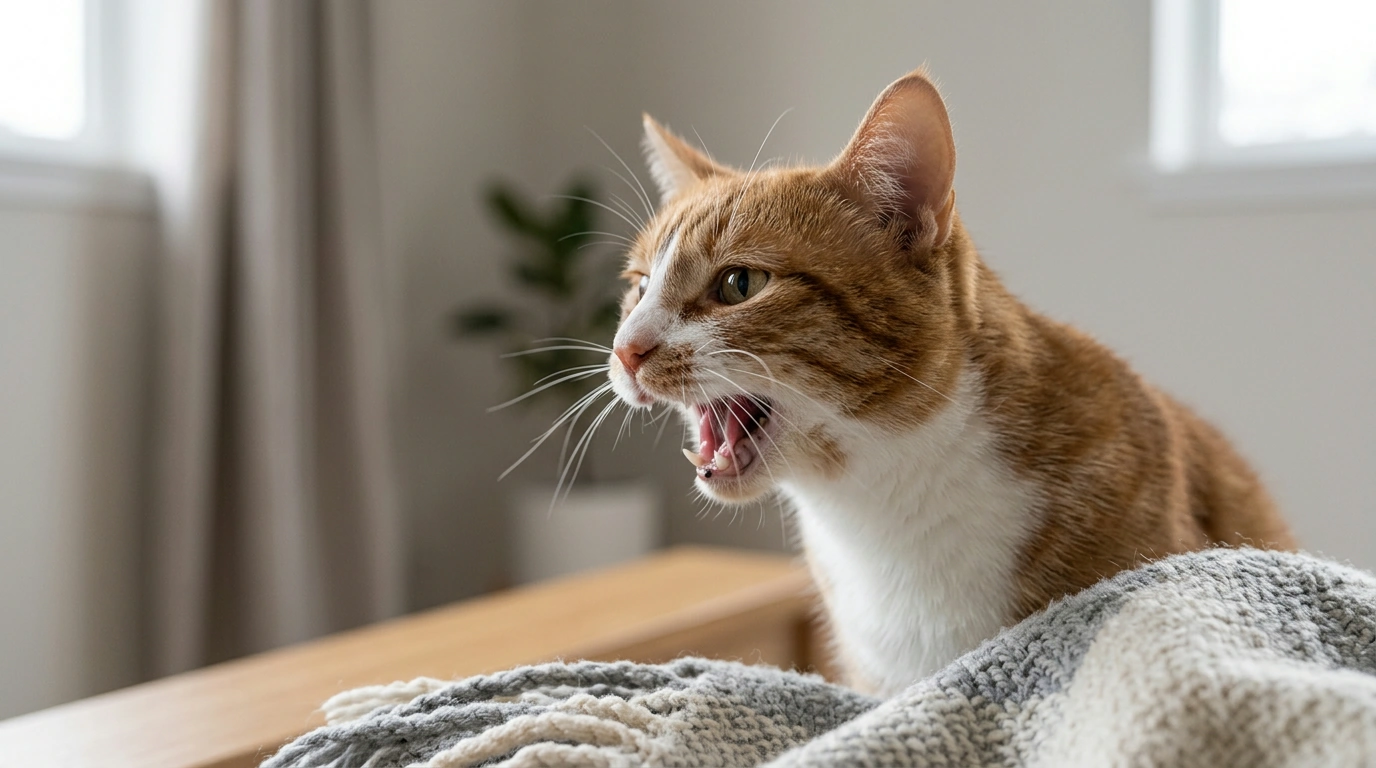
What can I do to make my cat stop yowling?
Start by looking for the reason behind the noise rather than trying to silence your cat. Yowling can signal hunger, stress, a desire for attention, or a medical problem. A change in your cat’s routine or a pattern in the timing can help you identify what to address.
If the yowling is new, unusually intense, or accompanied by changes in appetite, thirst, litter box habits, or behavior, contact your veterinarian. For more guidance, visit our main article on what you can do to make your cat stop yowling.
Could your cat need veterinary care?
Pain, an overactive thyroid, hearing loss, and age-related cognitive changes are among the possible causes of increased vocalization. Schedule a veterinary visit if your cat’s yowling persists or changes suddenly, especially if your cat is older.
Seek urgent veterinary care if your cat strains to urinate, produces little or no urine, or appears distressed in the litter box. Urinary blockage can be life-threatening, particularly for male cats.
How can you make your cat’s routine more rewarding?
Offer meals at predictable times and provide fresh water. Interactive play sessions with a wand toy can give your cat an outlet for hunting behavior; put string toys away after play. Puzzle feeders can also make mealtime more engaging. Introduce them gradually and make sure your cat can access enough food.
Give your cat a quiet retreat, scratching surfaces, and places to climb or watch the room. If outdoor cats trigger yowling at a window, try blocking that view or moving a perch to a calmer spot.
Should you respond when your cat yowls?
First, make sure your cat’s needs are met and rule out illness. If the yowling is a learned request for attention, avoid rewarding it immediately with treats or play. Instead, give attention during quiet moments and keep your response consistent. Never punish or shout at your cat; that can increase stress.
Our team recommends choosing sturdy enrichment toys appropriate for your cat’s size and play style, without small detachable pieces. If your cat is not spayed or neutered, ask your veterinarian whether the procedure may help with mating-related vocalization.
FAQ
Why does my cat yowl at night?
Your cat may be seeking food, attention, or activity, but nighttime yowling can also be associated with pain, sensory changes, or cognitive changes. A predictable evening play and feeding routine may help; consult your veterinarian if the behavior is new or persistent.







Leave a comment