Almond Oil Beauty Rituals: Benefits for Skin and Hair
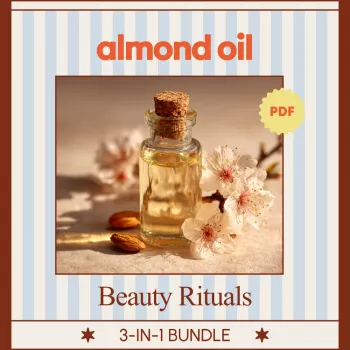
Almond oil can be a simple addition to an everyday beauty routine, but there is no single approach that works for everyone. Our Almond Oil Beauty Rituals Pack brings together three guides focused on the beauty benefits of almond oil, offering a starting point if you want to explore it with intention. For more guidance, see Almond Oil for Nail Fungus: Benefits, Evidence, and ….
Whether you are curious about softening dry-feeling skin or giving hair ends a smoother appearance, start with your own needs and the directions on the product you choose. Skin and hair respond differently from person to person, so a comfortable routine is more useful than a complicated one. For further reading, see AC.NET Ayurvedic Almond Oil Cream for Healthy Skin ….
Meet the Almond Oil Beauty Rituals Pack
Our Almond Oil Beauty Rituals Pack is a 3-in-1 guide pack centered on the beauty benefits of almond oil. It is designed for readers who want to learn more about the ingredient and make space for thoughtful, manageable beauty rituals.
The pack is listed at $226.99 and is currently in stock. Price and availability may change, so refer to the product page for current details. If you are also interested in the cleansing step of your routine, explore The Skin Cleansing Handbook.
Where Almond Oil Can Fit in a Beauty Routine
Beauty oils can help soften the skin and reduce moisture loss by forming a layer on its surface. They are not a substitute for every moisturizing ingredient, though, and the feel and results depend on the formulation and your individual skin. For dry skin, the American Academy of Dermatology’s dry-skin tips also emphasize gentle care and regular moisturizing.
Almond oil may also have a place in a simple hand or hair routine. A little oil can make dry-feeling cuticles feel softer, while a small amount on hair ends can create a smoother look and feel. It will not repair damaged hair, and it should not be used as a treatment for a skin condition. Always follow the directions on your own almond oil product, since products may contain other ingredients or be intended for particular uses.
Everyday Ways to Explore Almond Oil
| Area | Potential role | Practical consideration |
|---|---|---|
| Skin | Help soften and seal in moisture | Patch test first and avoid irritated skin |
| Cuticles | Help soften dry-feeling cuticles | Use a small amount and avoid broken skin |
| Hair ends | Add a smoother feel and appearance | Start sparingly to avoid a greasy finish |
Create a Simple Ritual
Start by choosing one area to focus on rather than changing your entire routine. Introducing one product at a time makes it easier to notice how your skin or hair responds and decide whether you enjoy using it. Give yourself room to adjust the amount and frequency instead of assuming that more oil will give you a better result.
For skin or cuticles
If your product’s directions allow, apply a small amount after cleansing and moisturizing. Spread it gently over the area you want to soften, avoiding irritated or broken skin. For cuticles, a tiny amount is a practical place to start; you can smooth it around the nail without applying it to cuts or torn skin.
Notice how your skin feels throughout the day. If the finish feels too heavy, use less next time or reserve the oil for an area that feels particularly dry. Keep the rest of your routine familiar while you assess the new product.
For hair ends
When the product is suitable for hair, start with a small amount on the ends. Work it through lightly, then add more only if needed. Fine hair may prefer less, while other hair types may be comfortable with a little more. The goal is a finish you like, not an amount that leaves your hair feeling greasy.
Keep the routine consistent enough to judge whether it suits you, but stop using the product if irritation develops. Our team recommends treating these steps as options to personalize, not rules you need to follow every day.
Use Almond Oil Thoughtfully
If you have a tree nut allergy, consult a healthcare professional before using almond oil. Before broader skin use, patch test the product on a small area and follow its instructions. The American Academy of Dermatology’s guide to testing skin care products offers practical advice for checking a new product.
Avoid the eyes and broken skin, and do not apply the oil to an area that is already irritated. Stop use if you notice irritation. If irritation persists, or if you have an ongoing skin concern, seek advice from a qualified healthcare professional.
FAQ
What is included in the Almond Oil Beauty Rituals Pack?
The listing identifies it as a 3-in-1 guide pack about the beauty benefits of almond oil. Visit the product page for available details.
Can almond oil be used on skin and hair?
Almond oil may be used cosmetically on skin and hair, depending on the product’s directions and your individual tolerance. Start with a small amount and adjust to your preference.
Should I patch test almond oil?
Yes, test it on a small area before broader use and stop if irritation occurs. If you have a tree nut allergy, consult a healthcare professional before using almond oil.






Leave a comment