First Steps to Fitness: A Beginner’s At-Home Guide
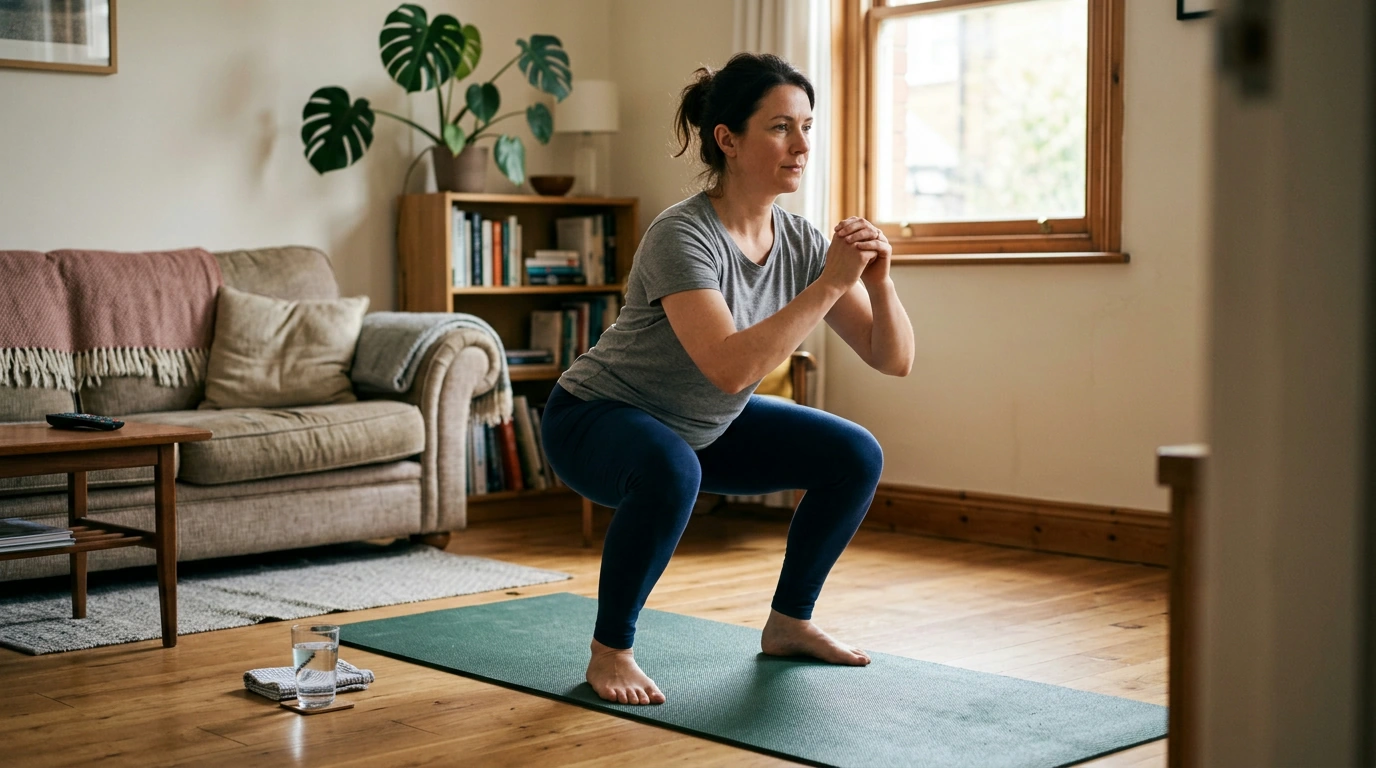
Starting a fitness routine doesn’t have to mean overhauling your day. A little space, a manageable plan, and a willingness to begin are enough to take your first step. Whether you’re new to exercise or returning after a break, we’re here to help you make movement feel more approachable.
A welcoming place to begin
It’s easy to feel like you need to know exactly what you’re doing before you start. You don’t. A beginner-friendly resource can give you a straightforward place to begin while you find a pace that works for your life.
Your First Steps into Fitness Made Simple is an at-home workout guide centered on beginner exercise and confidence building. It’s available for $12.99 USD. If you want a simple starting point without having to head to a gym, our guide may be a useful addition to your routine.
Our team encourages you to approach the process with curiosity rather than pressure. Your first sessions are a chance to learn what feels comfortable and what fits your schedule—not a test you need to pass.
Make room for movement
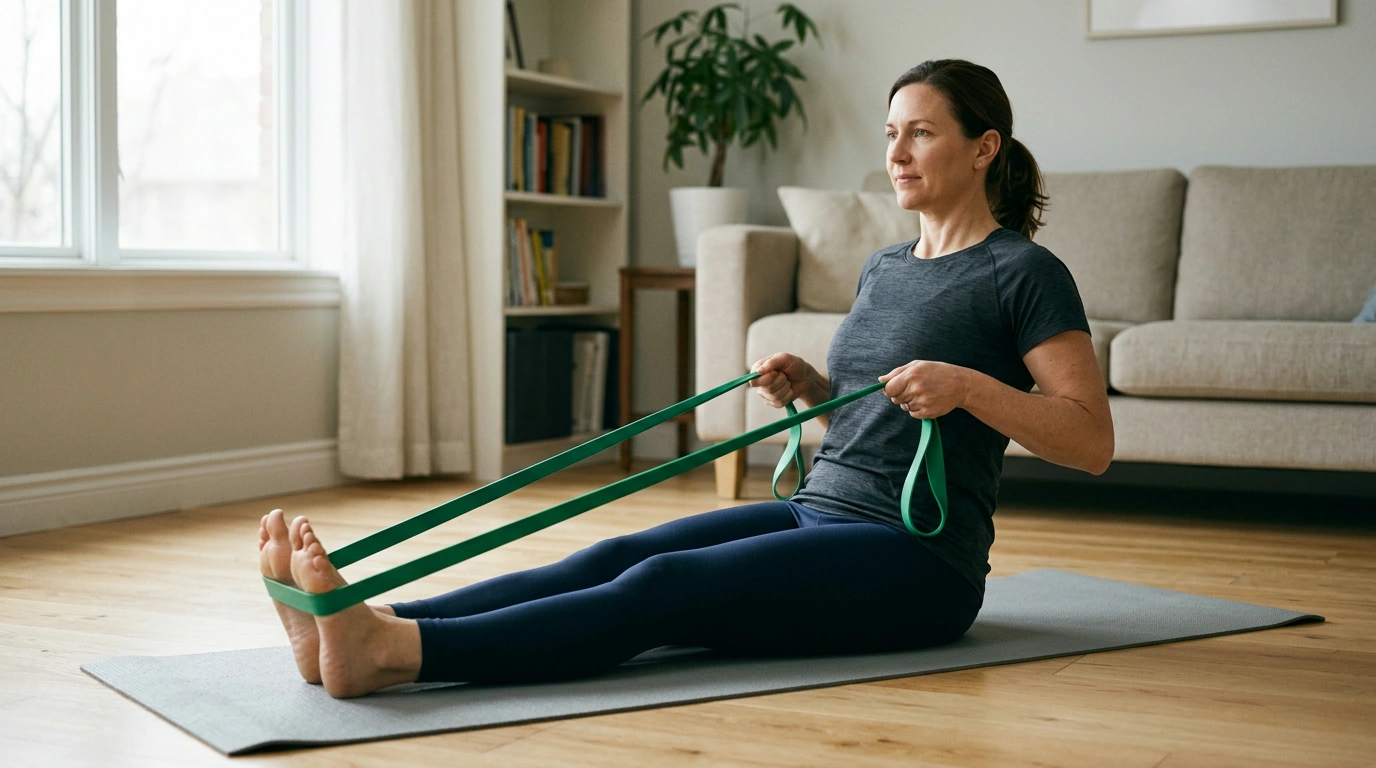
Choose a space where you can move comfortably and a time when you’re reasonably likely to be available. That might be a clear area in your living room before breakfast or a short walk after lunch. You don’t need a perfect setup to begin; you need enough room to move safely and a plan that feels manageable.
Start at a pace that lets you pay attention to your breathing and how your body feels. If a movement feels awkward, slow down, make it smaller, or choose another activity. Over time, you can gradually build consistency instead of trying to do everything at once.
The following sample is general guidance to help you plan a flexible week. It is not a description of the guide’s contents.
| Day | Simple option | Beginner reminder |
|---|---|---|
| Monday | A short walk or gentle movement | Choose a comfortable pace |
| Tuesday | Rest or light stretching | Notice how your body feels |
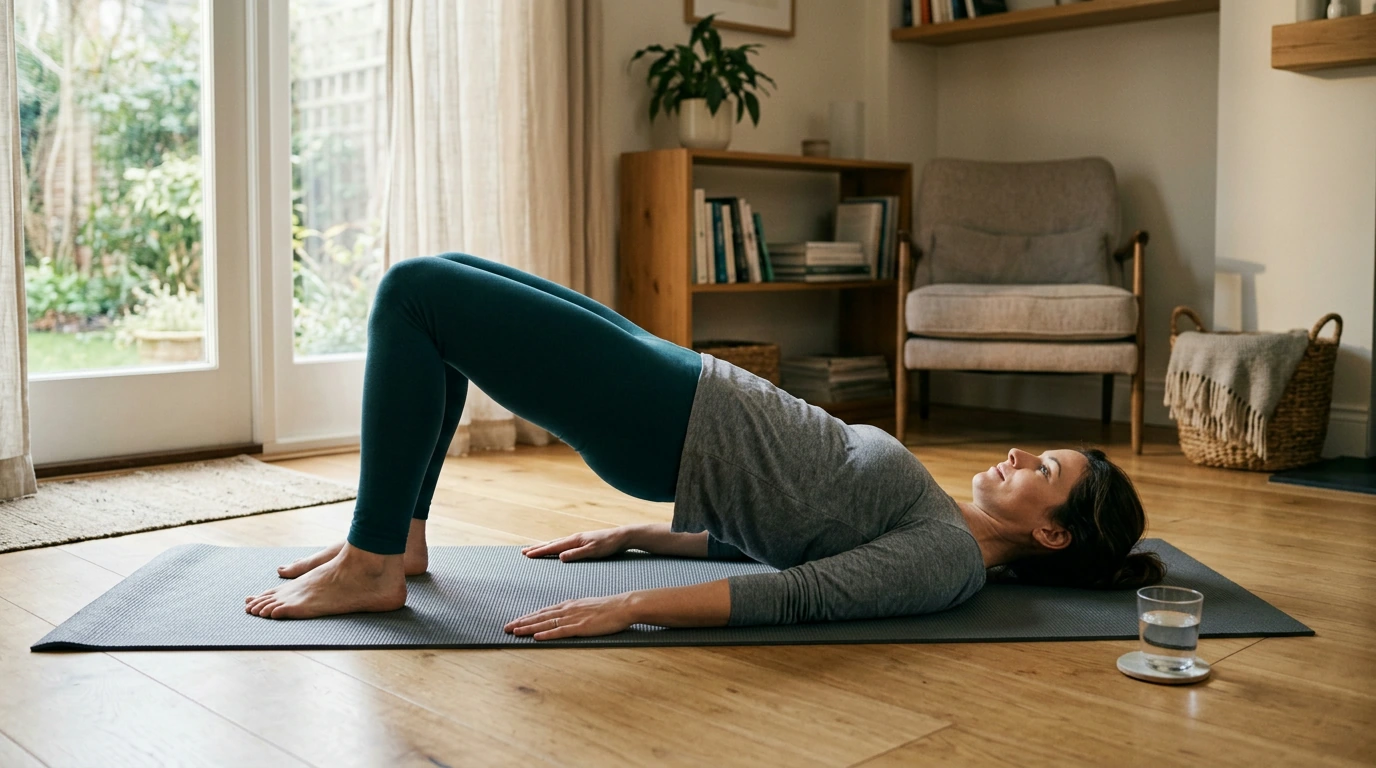
| Wednesday | Practice a few comfortable bodyweight movements | Focus on controlled movement |
| Thursday | Rest | Recovery is part of a routine |
| Friday | A short walk or gentle movement | Keep the effort manageable |
| Weekend | Rest or repeat an activity you enjoyed | Adjust to your energy and schedule |
Use this schedule as a starting idea, not a rule. You can switch days, take additional rest, or choose a different gentle activity. The goal is to find a rhythm you can return to without making movement another source of stress.
Build confidence one session at a time
Small, realistic goals can make it easier to get started. You might plan two short movement breaks this week or set aside time to practice a comfortable bodyweight movement. A short session still counts, even if it looks different from what you originally planned.
Instead of focusing only on outcomes, try tracking the sessions you complete or jotting down how movement feels. You may notice that a certain time of day works better, that you enjoy walking with a friend, or that a gentler session is more appealing after a busy day. Those observations can help you shape a routine around your life.
Missed a day? You haven’t lost your place. Return when it’s practical and choose a manageable next step. Consistency develops over time; it doesn’t require a perfect calendar.
Keep your routine comfortable and sustainable
Ease into activity and give yourself time to adjust. Stop if a movement causes pain, dizziness, or unusual discomfort. If you have health concerns or an injury, or you’re unsure which activities are appropriate, speak with a healthcare professional before starting.
Rest matters, too. You can use a rest day to notice how you feel and decide what would make your next session comfortable. Avoid treating recovery as something you have to earn; it’s part of building a routine you can maintain.
Hydration and balanced meals can also support your everyday habits. Keep water accessible and choose meals that work for your needs and preferences. For more ideas, explore our Hydration for Life resource and The Complete Healthy Recipes Library.
For additional guidance on moving more, see the CDC’s physical activity basics and the World Health Organization’s physical activity guidance. You can use these resources to learn about general recommendations while adapting your starting point to your circumstances.
Take your next step at home
Beginning at home can give you the freedom to find your own rhythm. Set aside a little space, choose an achievable activity, and let each session be practice. If a beginner-friendly guide appeals to you, explore Your First Steps into Fitness Made Simple and choose a pace that suits you.
FAQ
Do I need to be fit before starting a beginner routine?
No. Begin at a comfortable level and increase your activity gradually as it feels manageable.
What if I miss a workout?
Return to your routine when practical. Consistency over time matters more than a perfect schedule.
How can I make exercise feel less intimidating?
Start with short sessions, choose movements that feel comfortable, and set small goals that fit your schedule.



Leave a comment