The Healthy Pantry Encyclopedia: Build a Useful Pantry
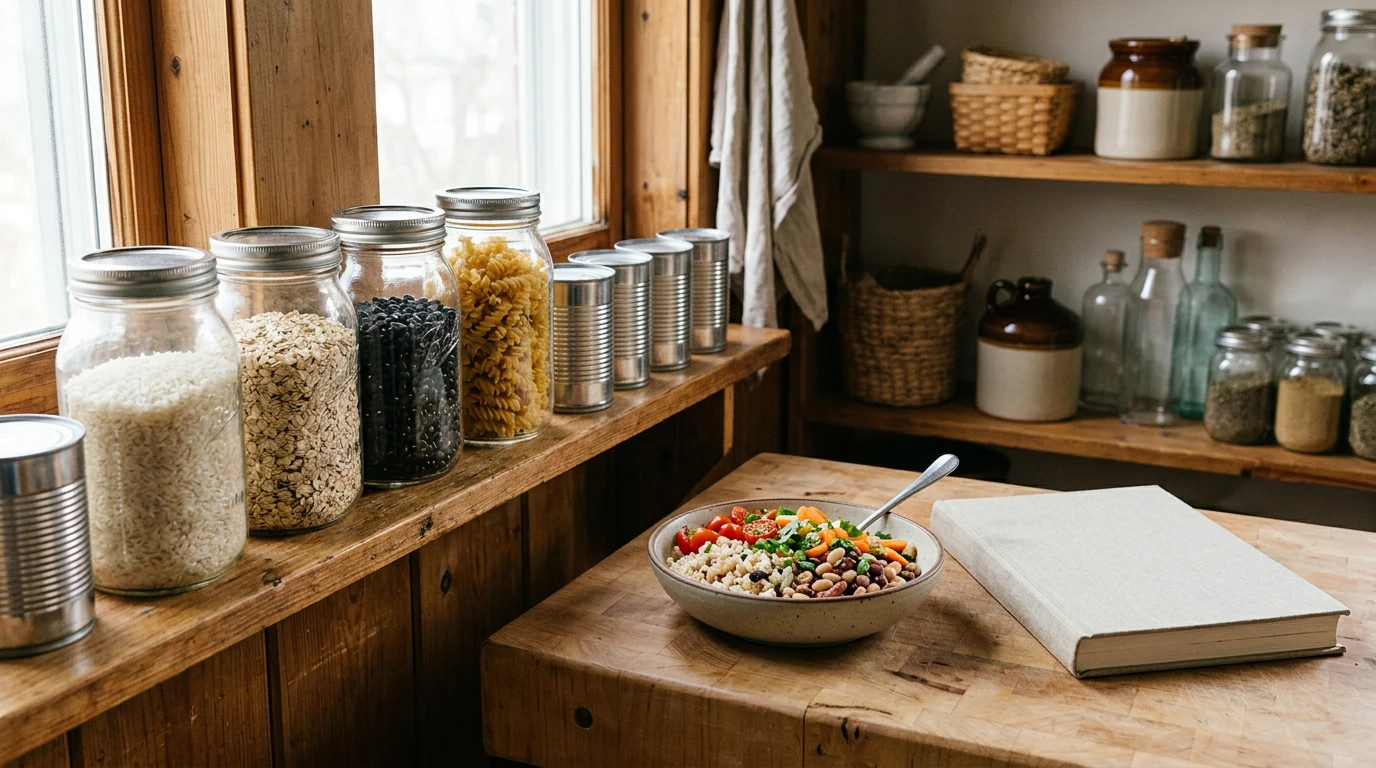
A useful pantry does not have to be large or filled with unfamiliar ingredients. It can begin with a few foods you enjoy, a plan for using them, and enough flexibility to bring a meal together on a busy day. The Healthy Pantry Encyclopedia is an option for shoppers interested in a more considered approach to everyday pantry planning.
At our store, we see pantry planning as a practical part of managing meals and shopping habits. Taking stock of what you already have can help you decide what to buy, make room for variety, and put ingredients to work before they are forgotten.
A More Useful Everyday Pantry
When you have a few dependable ingredients on hand, deciding what to eat can feel more manageable. Rice can become the base for a bowl, canned tomatoes can start a sauce, and beans can add substance to a soup. These ingredients also leave room for different flavors, so you do not have to make the same meal every time.
A thoughtful pantry is personal. Choose foods that suit your household’s tastes, your budget, and the space available in your kitchen. A small shelf of frequently used staples may serve you better than a crowded cabinet full of ingredients you rarely reach for.
For shoppers who want to explore the topic further, The Healthy Pantry Encyclopedia is a pantry-focused product available from our store. It can be a starting point as you consider how pantry choices fit into your routine.
Build Around Foods You Will Use
Start with familiar foods rather than trying to stock every category at once. If oatmeal is already part of your breakfast routine, keep it on your list. If your household regularly enjoys rice and beans, those may be more useful than specialty ingredients bought for a single unplanned meal.
Once you know which staples earn their space, add new options gradually. The following categories offer flexible starting points, but you can adjust them to match what you like to cook and eat.
| Category | Examples | Simple use |
|---|---|---|
| Grains | Oats, rice, whole-grain pasta | Build a breakfast or meal base |
| Beans and lentils | Canned beans, dried lentils | Add to soups, salads, or rice |
| Shelf-stable vegetables | Canned tomatoes, canned vegetables | Make a quick sauce or side |
| Flavor builders | Herbs, spices, vinegar | Add variety to familiar meals |
Think about how a new ingredient will work with foods you already have. A can of tomatoes, for example, can pair with pasta one day and beans another. Buying a manageable amount gives you a chance to see whether it fits your routine before making it a regular purchase.
Check labels when you shop and select options that fit your dietary needs and preferences. Ingredient lists, allergen information, serving sizes, and nutrition details can help you compare products. If sodium is a consideration for you, compare labels on canned foods and choose an option that suits your needs.
Make Pantry Planning Fit Your Routine
Before shopping, look through your shelves, refrigerator, and freezer. Note what needs to be used and what you are running low on. A short list of frequently used items can make it easier to replenish staples without buying duplicates.
Plan around a few flexible combinations instead of assigning every ingredient to a fixed recipe. You might pair pantry rice with frozen vegetables, add canned beans to a salad made with fresh greens, or use oats with fruit for breakfast. Fresh and frozen foods can bring variety to meals while shelf-stable ingredients provide a convenient base.
Your budget can guide the pace of stocking up. Replacing one or two essentials during a regular shopping trip may be more manageable than filling a pantry all at once. For more ideas on planning purchases, visit MyPlate’s healthy eating on a budget resources.
Keep storage simple and consistent. Follow package directions, move older items to the front when adding new purchases, and check dates and packaging regularly. Refrigerate foods after opening when the label directs you to do so, and discard cans that are leaking, bulging, or badly damaged. The FoodSafety.gov FoodKeeper App offers additional food storage guidance.
Explore The Healthy Pantry Encyclopedia
If you are interested in pantry-focused guidance, The Healthy Pantry Encyclopedia is one option from our team. It is listed at $15.99 USD and is currently in stock. Price and availability may change, so visit the product page for current purchase information.
If you are also interested in meal ideas, explore The Complete Healthy Recipes Library as a related option. Together, pantry planning and meal inspiration can help you consider both what to keep on hand and how you might use it.
FAQ
What is The Healthy Pantry Encyclopedia?
The Healthy Pantry Encyclopedia is a pantry-focused product available from our store for readers interested in pantry planning.
How can I start building a more useful pantry?
Begin with foods you already enjoy, add versatile staples gradually, and check what you have before shopping.
How much does The Healthy Pantry Encyclopedia cost?
The listed price is $15.99 USD. Visit the product page for the current price and availability.





Leave a comment